|
Second Street Success Stories
SecondStreet.org’s work is making a positive impact.
Since our small start-up think tank launched in 2019, we’ve seen politicians implement, or promise to implement, policy recommendations we have put forward.
We’ve also seen politicians across the political spectrum cite our work in debates, during elections, and media interviews.
When you donate to SecondStreet.org, you’re helping fund an organization that is truly making a difference!
Here are a few examples of how we’ve made an impact:

Health Care
Choice in Health Care
Since SecondStreet.org launched in 2019, we’ve noted that the best performing health care systems around the world all give patients a choice – use the public system or pay privately. When some patients decide to pay privately, this helps take pressure off the public system and other patients get to move up a spot in line.
We have pushed this idea forward through countless videos we’ve created, reports, columns, interviews and presentations. Our work has paid off.
In Alberta, the government announced a major policy change in 2025 to allow dual practice, effectively making it easier for Alberta patients to pay for treatment in their own province.

Activity-Based Funding
For many years prior to SecondStreet.org’s launch, think tanks such as the Montreal Economic Institute and the Fraser Institute advanced a health reform idea known as “activity-based funding.” In short, instead of giving hospitals an annual cheque each year, European governments, and many others, provide hospitals with funding each time they help a patient. Hence the name “activity-based funding”. This approach incentivizes hospitals to help more patients and to use the funds they receive on expenses that help patients (doctors and nurses) rather than expenses that do not (more vice-presidents and bureaucrats).
SecondStreet.org supports this recommendation and we’ve worked to advance this policy in our health care documentary, countless short-form videos, columns, reports, etc.
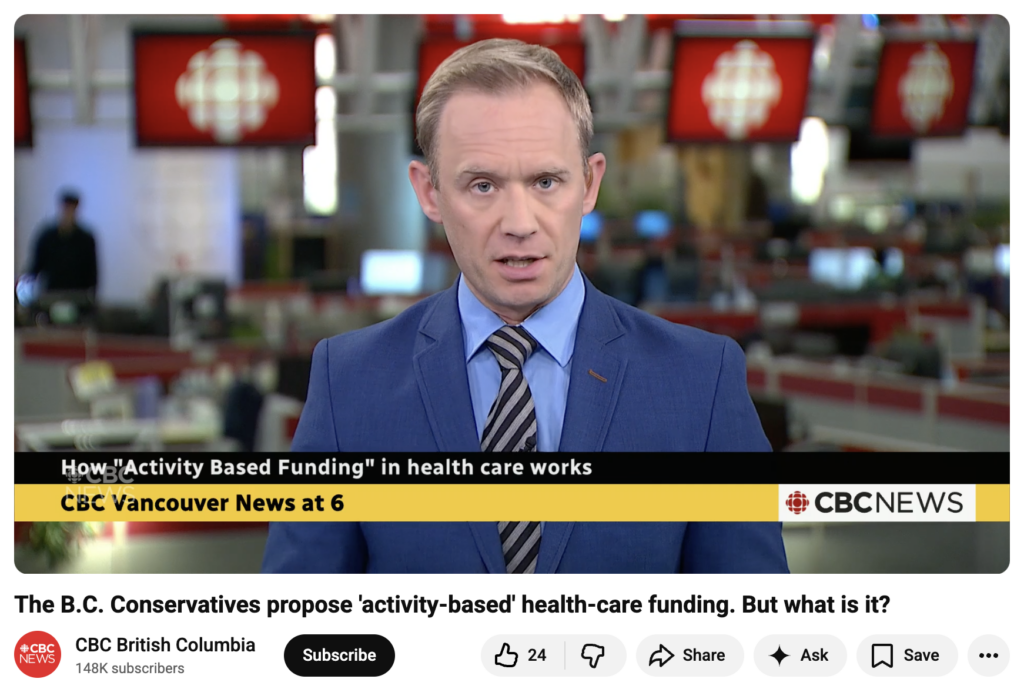
Politicians listened. The Alberta government announced in 2025 that it will move to this funding model (they call it “patient-focused funding”) and the B.C. Conservative Party included this option in their 2024 election platform. We’ve also spoken with politicians in other provinces who are keenly interested in this policy.
Debbie's Law
In 2025, SecondStreet.org worked with Debbie Fewster’s family to bring their mother’s story to light and to identify a simple solution that could help patients. The Manitoba mother of three, and grandmother to ten, was told in 2024 that she needed heart surgery within three weeks. She was then placed on a waiting list where she languished until her death nearly two months later.
Her family noted that if they had known at the start that their mother would have to wait longer than recommended, they would have scraped together the money to pay for her surgery outside the province.
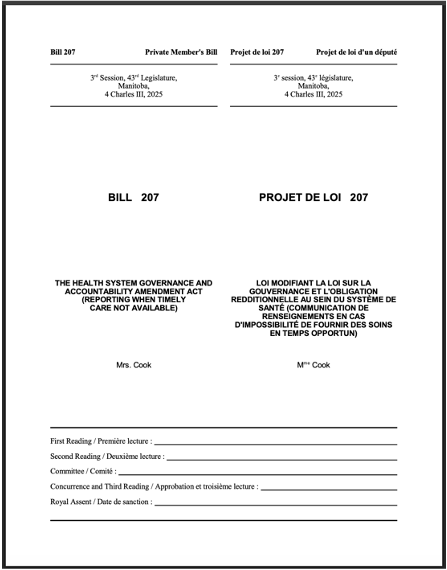
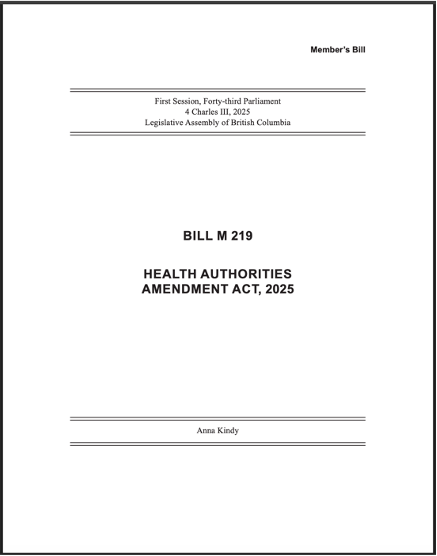
Debbie’s Law would require health providers to inform patients who are waiting for lifesaving treatment of their estimated wait time and maximum recommended wait time. This notice would be provided at the start of their medical journey so that they would know if the system was putting their life at risk or not. Manitoba MLA Kathleen Cook and BC MLA Anna Kindy have both tabled private member’s bills in keeping with Debbie’s Law. Further, the Manitoba government has started to provide patients with some additional information about their wait time.
More work is necessary to see Debbie’s Law put into practice, including penalties for non-compliance, but these are positive developments.

Health Care Partnerships
In countries with better-performing health care systems, health care delivery is not ideological. Governments will partner with whoever can help patients – government-run hospitals, non-profit clinics, for-profit facilities. What matters most is whether or not they can help patients.
SecondStreet.org has argued that Canada should take this same approach – putting patients first – and partner with whoever can help patients.
Coming out of the pandemic, several provinces introduced measures committing to partner more often with third parties. Ontario, Saskatchewan, Alberta, Quebec and many Atlantic provinces announced such changes.
Died on a Waiting List
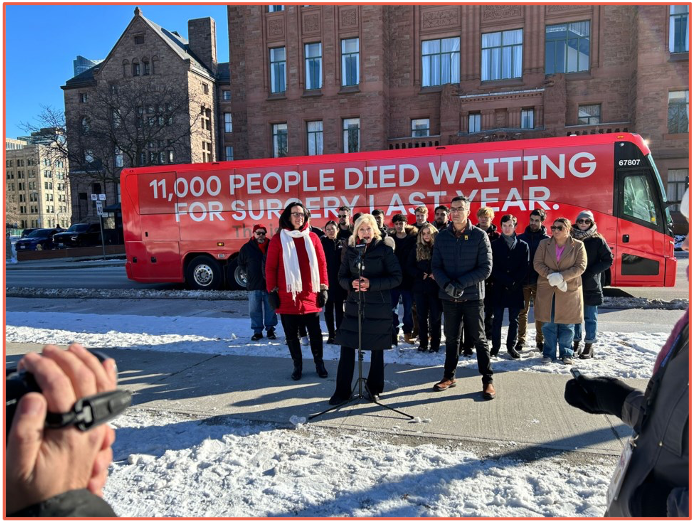
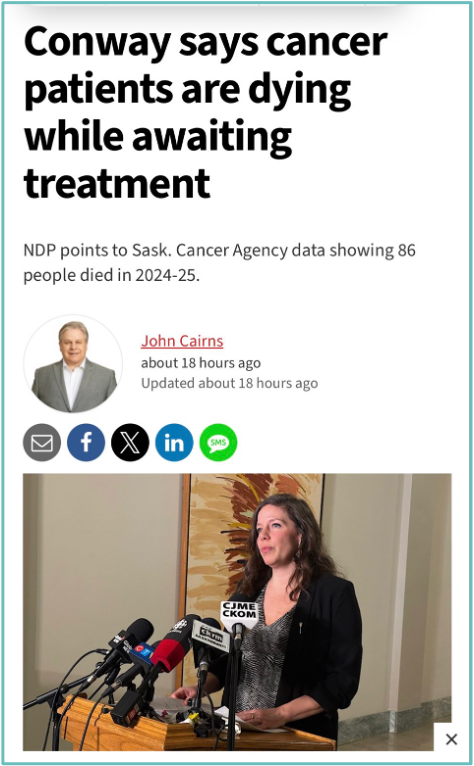
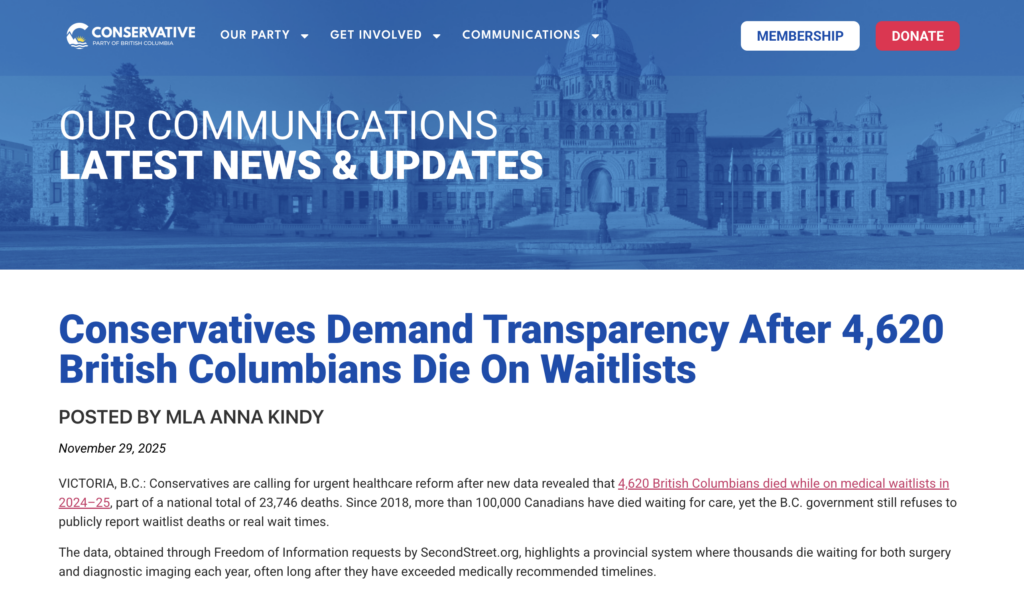
Since 2019, SecondStreet.org has been gathering government data nationwide on cases where patients die while waiting for surgery, diagnostic scans or appointments with specialists.
NDP, Conservative and Liberal political parties have all cited our ground-breaking research into this troubling problem:
Red Tape Reduction
Cutting Red Tape That Helps Canadians
As Canada entered the pandemic, governments across the country relaxed various regulations in order for society to function better. Changes were wide ranging: everything from allowing restaurants to include alcohol with their delivery orders to letting doctors bill at the same rate for appointments with patients remotely.
SecondStreet.org compiled a list of such changes and then polled the public on a number of them. After the results showed overwhelming support for making temporary cuts permanent, we shared the results with elected officials nationwide in May 2020. Many governments then turned those temporary red tape cuts into permanent changes.
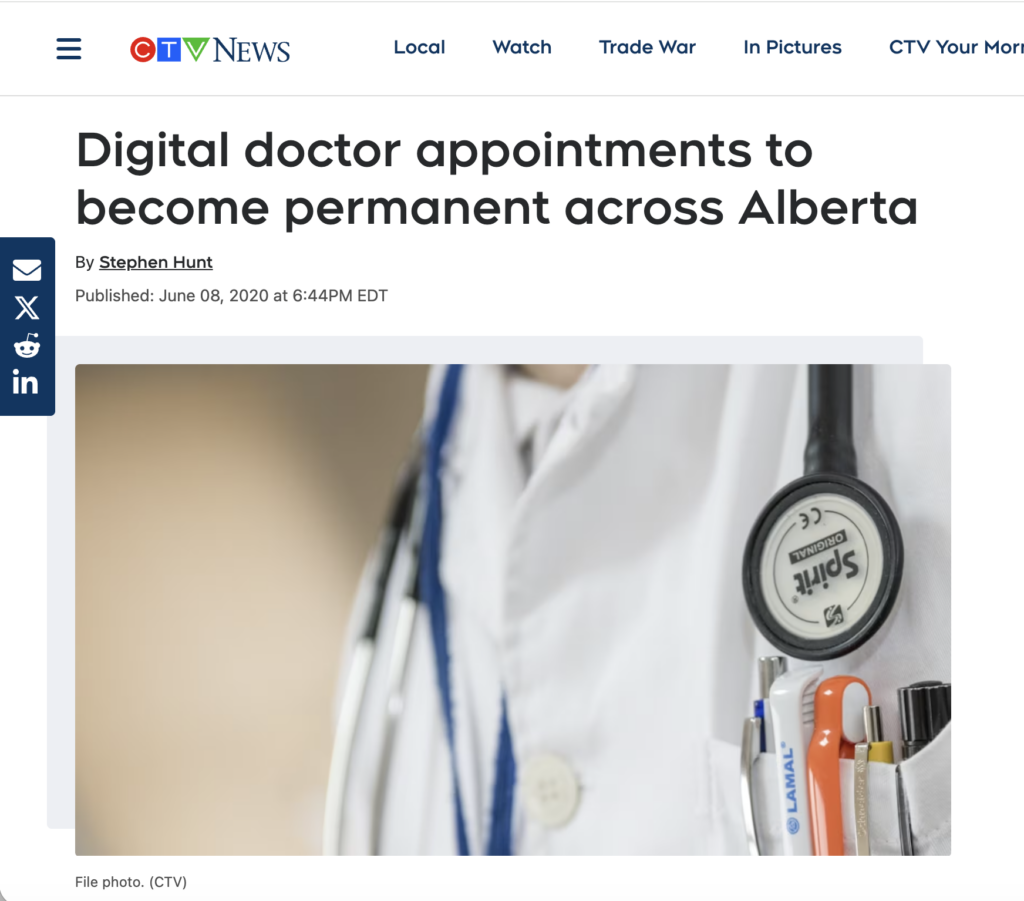
In October 2020, Ontario, Quebec, PEI and New Brunswick all decided to permanently allow alcohol sales with food delivery orders. In Alberta, the government decided to permanently allow doctors to bill for videoconference appointments with patients beginning in June 2020. That same month the B.C. government decided to permanently allow lawyers to witness the signing of wills remotely.
In 2022, we released a follow-up report that looked at the consequences of cutting red tape. Government data obtained by SecondStreet.org showed very few complaints related to allowing alcohol sales with takeout orders – and only one complaint about sales to minors nationwide. This red tape was in place for years, inconveniencing Canadians for no good reason. SecondStreet.org helped remove it.
Housing
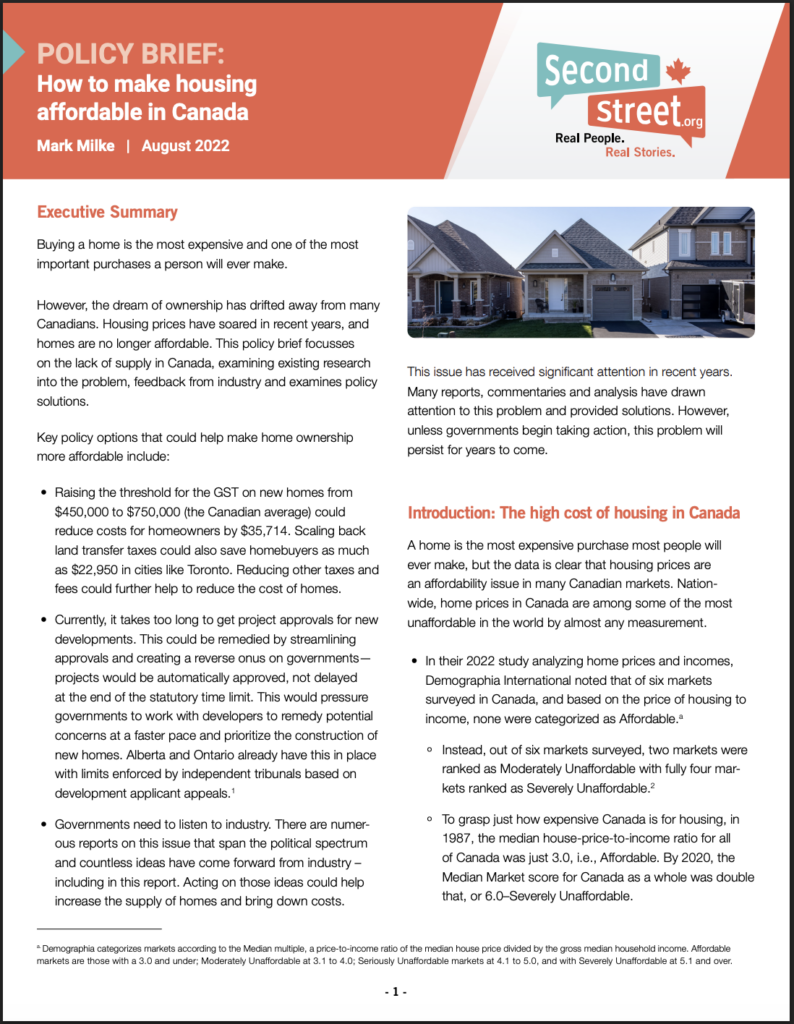
Making Housing More Affordable
In August 2022, SecondStreet.org released a report that examined how to make housing more affordable in Canada. The report included a number of recommendations, including a recommendation to raise the threshold for which the GST is applied on new homes.
At the time, the GST was applied once a home’s price hit $450,000 – a threshold that hadn’t changed since the GST was created in the 1990s. We recommended raising the threshold to at least $750,000.
Raising the GST threshold in excess of $750,000 was later embraced by the federal Conservatives and the federal Liberals in March 2025.
Again, these are just a few examples of how our organization has contributed to government policy development in Canada by releasing constructive research, engaging with politicians directly, identifying policy solutions and of course, sharing Canada’s real stories of how government policies have affected their lives.
We encourage you to look around this site to review our work.
Sincerely,
Troy Lanigan, Colin Craig and the SecondStreet.org team